A business logo is one of the most important visual elements of your brand. It’s often the first thing people notice and one of the main ways customers remember you. When creating a business logo, it’s essential to understand the different styles available and how each one communicates your brand’s personality.
From simple text-based designs to bold visual symbols, there are several recognised logo types. Below, we explore the most common business logo styles and how to choose the right one for your brand.
Types of Business Logos
Wordmark Logo
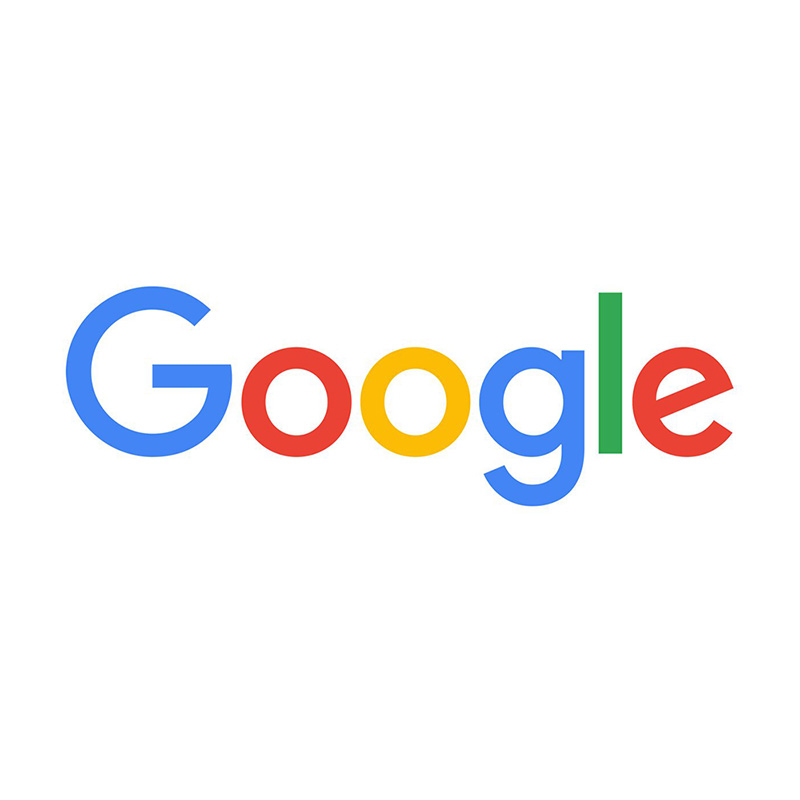
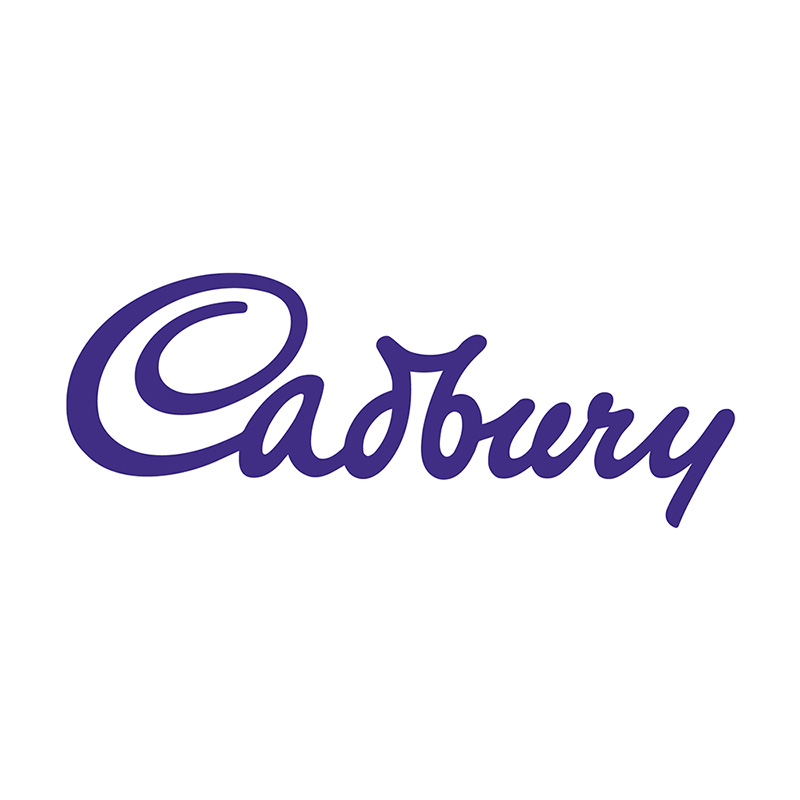
A wordmark logo focuses entirely on your business name, using typography as the main design feature. This type of business logo works best when your brand name is distinctive and easy to remember. Well-known examples include Google and Cadbury, where font choice and spacing create instant recognition.
Lettermark Logo:
If your business name is long or complex, a lettermark logo can simplify your branding. By using initials or acronyms, this type of business logo keeps things clean and memorable. Popular examples include IBM and the BBC.

Pictorial Logo:
A pictorial logo uses a recognisable image or symbol to represent your brand. Over time, these visuals become closely associated with the business itself. Think of Apple’s apple or Twitter’s bird—simple images that instantly signal the brand behind them.
Abstract Logo:
Abstract logos use shapes, colours, and forms rather than literal images. This style allows for more creativity and can convey ideas like movement, innovation, or reliability. A strong example is the National Rail double arrow, which is simple yet highly recognisable.
Mascot Logo:
Mascot logos feature a character or illustrated figure that represents the brand. This type of logo is ideal for brands that want to appear friendly, approachable, or family-focused. KFC and Michelin both use mascots to create a strong emotional connection with their audience..
Combination Logo:
A combination logo brings together text and imagery, offering flexibility across different platforms. This style of logo allows you to use the symbol alone or alongside the company name, making it highly versatile. Brands such as Royal Mail and Nando’s use this approach effectively
Emblem Logo
Emblem logos place the business name inside a badge, crest, or seal. This type of logo often feels traditional and authoritative, making it popular with institutions, automotive brands, and sports teams. Rolls-Royce and football club crests are classic examples.
Monogram Logo
Dynamic Logo
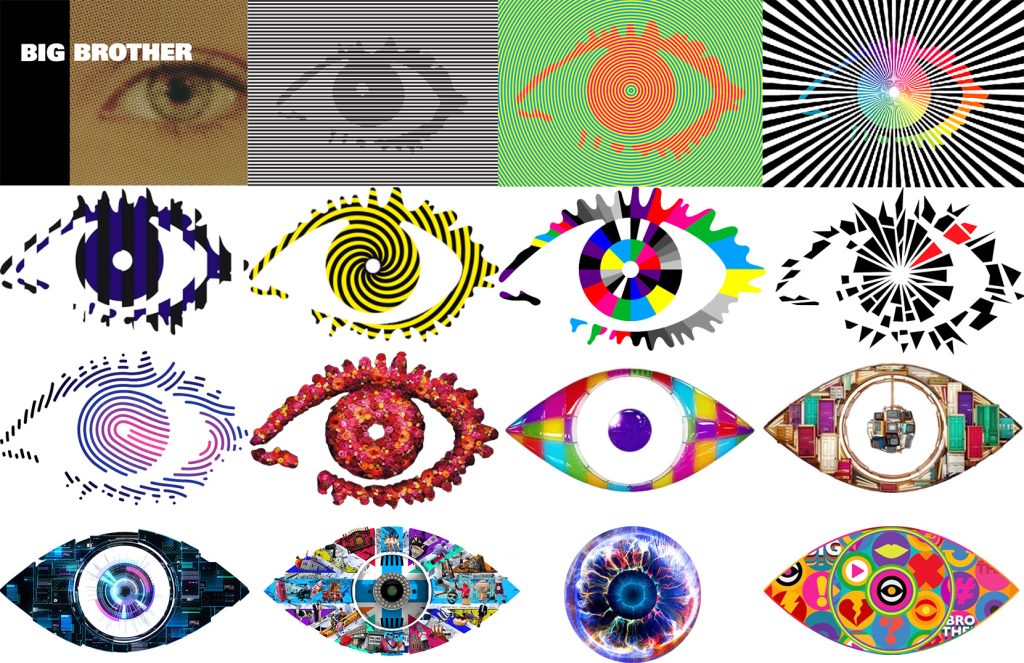
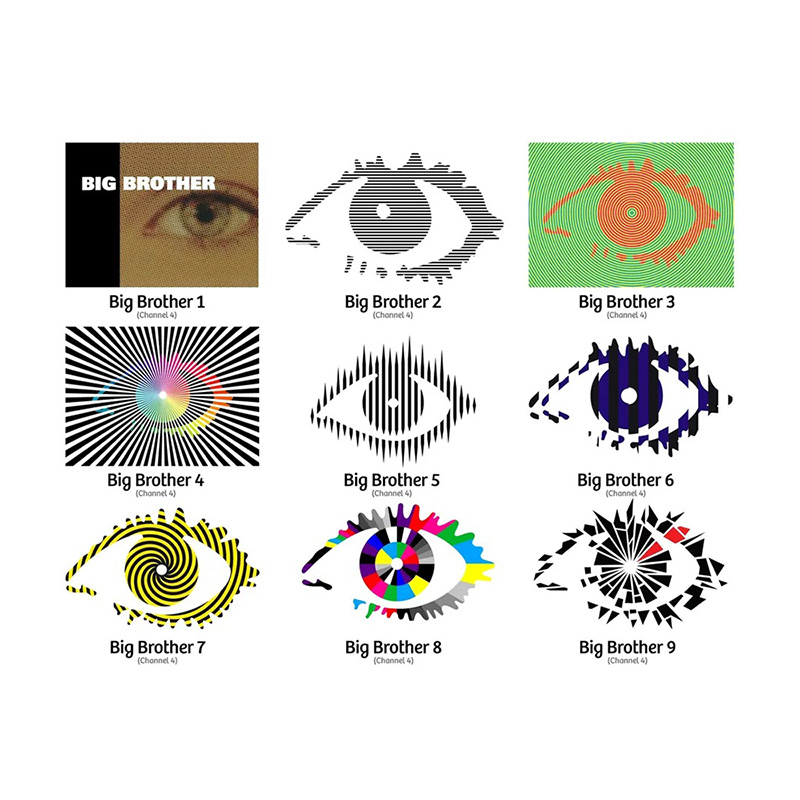
Dynamic logos are designed to adapt while retaining a recognisable core element. This flexible business logo style suits brands that evolve frequently or operate across multiple platforms. A well-known example is the Big Brother logo, which changes design elements while keeping its iconic eye.
How to Choose the Right Business Logo
Choosing the right business logo is about more than aesthetics. It should reflect your brand values, appeal to your target audience, and work across different formats, from websites and social media to signage and print.
Logos are a core part of brand identity, helping businesses visually communicate who they are and what they stand for, as explained in this overview of logo design.
When deciding on a logo style, consider:
- Your industry and competitors
- Your brand personality and tone
- Where your logo will be used
- How it will scale across different materials
A well-designed business logo should be clear, memorable, and timeless.
Need Help Designing a Business Logo?
Your logo is the face of your brand, so it’s worth getting it right. At DS Creative, we help businesses create logos that are professional, distinctive, and built to last.
Contact Us to discuss your requirements further and we’ll be more than happy to help!